Green View Gardening Maintenance & Pergola

Enhance Your Outdoor Space: The Benefits of Custom Pergola Installation
February 26, 2026 | by nasimulnoobgamer@gmail.com

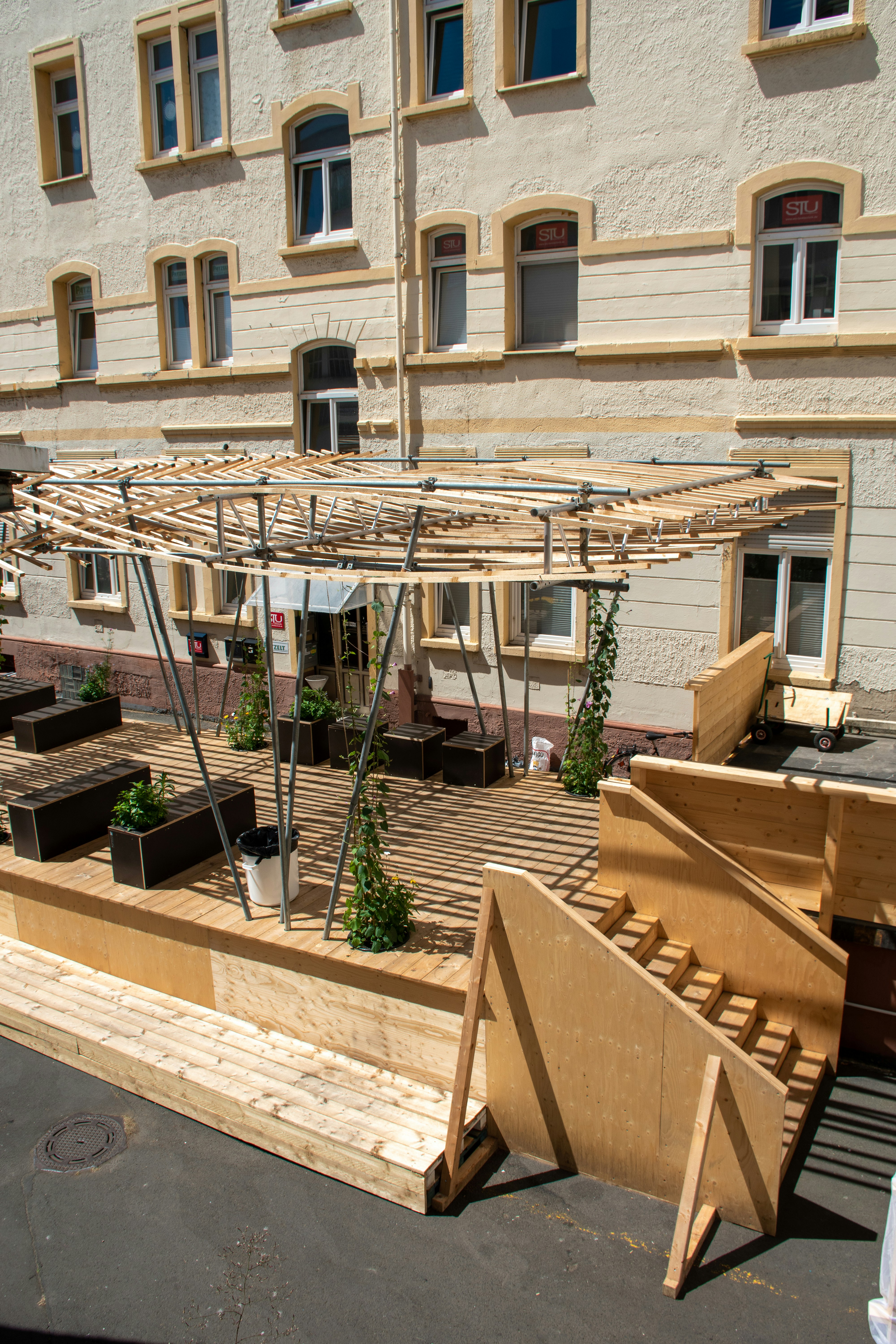
A pergola is a structure commonly found in outdoor spaces, characterized by its open framework, typically consisting of columns supporting a series of crossbeams and lattice. Historically, pergolas date back to ancient Rome and Greece, where they served as walking paths for vines and provided shade in gardens. Over time, the function and design of pergolas have evolved, transcending their classical origins to embody various styles that cater to modern aesthetics.
The basic structure of a pergola offers flexibility; the columns can be made from materials such as wood, metal, or even vinyl, while the top can be designed to accommodate climbing plants or remain open to the sky. This feature allows for a unique blend of light and shade, contributing to an inviting atmosphere in outdoor spaces. Various styles of pergolas exist, each catering to different architectural themes—ranging from rustic wooden pergolas for a country feel to sleek, modern designs featuring metal and glass. Regardless of style, a pergola serves as a functional and decorative element in gardens, patios, or backyards.
The allure of custom-designed pergolas lies in their ability to cater to individual tastes and specific needs. Homeowners now have the opportunity to personalize their outdoor retreat with custom features such as integrated lighting, built-in seating, and even outdoor fans or heaters. This tailored approach not only enhances the aesthetic appeal of the outdoor space but also increases its usability throughout different seasons, ensuring enjoyment year-round. With the option to integrate a pergola seamlessly with existing structures or landscapes, one can truly transform their outdoor area into a personal oasis, enhancing both beauty and functionality.
Why Choose Custom Pergolas?
When considering enhancements to your outdoor space, the choice between custom pergolas and pre-fabricated models is significant. Custom pergolas provide a level of flexibility that off-the-shelf options simply cannot match. One of the primary advantages of opting for a custom solution is the ability to design a pergola that perfectly aligns with your vision and the specific needs of your space. This includes choices in dimensions, materials, and overall design aesthetic, allowing for a seamless integration into existing architecture and landscaping.
Custom pergolas can be tailored to fit any outdoor area, whether it be a small terrace or a vast garden. This personalization ensures that the structure enhances rather than detracts from the overall appearance of the space. Homeowners can select from a variety of materials, such as wood, vinyl, or aluminum, each offering distinct benefits in terms of durability and maintenance. The ability to match the chosen materials with the style of your home or landscape is a considerable advantage that leads to a cohesive look.
Moreover, the design of a custom pergola can be adapted to provide specific functionalities such as increased shade, support for climbing plants, or integration with outdoor lighting and heating elements. This adaptability allows homeowners to create a truly unique outdoor room that reflects their lifestyle and enhances their outdoor living experience. With the assistance of skilled craftsmen, each custom pergola can be designed to not only meet functionality needs but also to serve as a focal point within the outdoor environment.
In summary, choosing a custom pergola is about more than just aesthetics; it’s about investing in a structure that suits your specific outdoor needs and enhances the beauty of your home. The customization options available contribute to creating a distinctive and personal outdoor space that pre-fabricated models often fail to deliver.
The Benefits of Installing a Pergola
Installing a pergola can significantly enhance any outdoor space, providing a multitude of benefits that cater to both aesthetic and functional needs. One of the most prominent advantages of a pergola is its ability to improve the visual appeal of a garden or patio. These structures come in various styles and materials, allowing homeowners to choose a design that complements their existing outdoor decor while adding a touch of elegance and charm.
In addition to aesthetic enhancement, pergolas are also effective at providing shade and comfort. During the hot summer months, a pergola can create a cooler, more inviting outdoor atmosphere, allowing families and guests to enjoy the outdoors without the harsh effects of direct sunlight. The structure can be adorned with climbing plants, such as wisteria or grapevines, which further enhance the shade and create a natural, beautiful canopy.
Moreover, a pergola can extend the functionality of an outdoor living space. By defining areas for dining, relaxation, or social gatherings, it effectively increases the usability of any garden or patio, transforming a simple outdoor area into a cozy retreat. This extension of outdoor living space is particularly valuable in residential settings where maximizing space is often a priority.
Beyond its immediate practical benefits, a custom pergola can also add value to a property. Potential buyers often appreciate well-designed outdoor features that enhance the overall appeal of a home. Therefore, investing in a pergola not only improves day-to-day living but also serves as a strategic asset when considering future real estate transactions.
Designing Your Pergola: Considerations and Styles
When embarking on the journey of designing a custom pergola for your outdoor space, several key considerations come into play to ensure optimal functionality and aesthetic appeal. The initial element is the size of the pergola, which should be proportionate to the available outdoor area. A well-sized pergola enhances the space without overwhelming it, allowing for comfortable movement and usage. Whether you intend to create an intimate nook or a grand entertaining area, measuring the dimensions accurately can significantly impact the overall design.
Following the size, the shape of the pergola plays a pivotal role in its integration within your garden or patio. Common shapes include rectangular, square, and even circular designs, each serving distinct purposes. For example, rectangular shapes tend to pair well with elongated gardens, while circular options can create a focal point in more symmetrical landscapes. Additionally, the orientation of the pergola should be considered, as it will influence sunlight exposure and wind direction, ultimately affecting the comfort of individuals using the space.
The selection of materials is another crucial aspect that dictates both the longevity and style of the pergola. Traditional options such as timber provide warmth and rustic charm, while metal or composite materials offer a modern aesthetic and increased durability. Each material presents its unique advantages and can be customized with various finishes and treatments that align with your desired visual outcome.
In terms of style, pergolas can range from traditional designs with intricate carvings to sleek, modern frameworks with clean lines. Rustic styles often incorporate natural wood finishes and organic shapes, aligning seamlessly with garden themes. Ultimately, tailoring the pergola’s style to reflect personal taste while maintaining functionality ensures the structure not only complements the landscape but also serves its intended purpose. Incorporating elements such as hanging plants or climbing vines can further personalize your pergola, enhancing its integration within the outdoor environment.
Materials Used in Pergola Construction
Pergola construction involves a variety of materials, each with distinct advantages and disadvantages. The most commonly used materials are wood, aluminum, and vinyl. Understanding these materials can assist homeowners in making informed decisions for their outdoor spaces.
Wood is a traditional choice for pergolas, celebrated for its natural appearance and structural integrity. Hardwoods, such as cedar and redwood, are particularly popular due to their resistance to decay and insect damage. However, wood requires regular maintenance, including staining and sealing, to preserve its aesthetic appeal and longevity. It is also vulnerable to weather conditions, which may lead to warping over time.
Aluminum offers a modern alternative to wood with its lightweight and durable properties. This metal is resistant to rust, making it ideal for various climates, particularly those with high moisture levels. Aluminum pergolas typically require minimal maintenance, as they do not need painting or staining. However, they may lack the classic appeal of wood, and customization in terms of color and design can be limited compared to wooden structures.
Vinyl, or PVC, is another increasingly popular material for pergolas. It is resistant to fading, peeling, and rotting, making it an excellent low-maintenance option. Vinyl pergolas come in a variety of styles and colors, allowing for greater personalization. Nevertheless, it may not offer the same structural strength as wood or aluminum, which is a consideration for larger installations or areas prone to heavy wind loads.
When choosing the right material for pergola construction, consider the environmental conditions of the location, desired maintenance level, and personal aesthetic preferences. Each material has its unique characteristics; thus, careful evaluation will ensure a satisfactory investment in your outdoor space.
The Installation Process Explained
Installing a custom pergola is a multifaceted process that begins with an initial consultation. During this phase, homeowners are encouraged to discuss their vision and requirements with a professional designer. The designer will assess the outdoor space and suggest designs that harmonize with the existing landscape. Key considerations during this consultation include selecting materials, sizes, and styles that best fit the homeowner’s aesthetic and practical needs.
Once the design is finalized, the next step involves preparing the site. This includes clearing the designated area of debris and vegetation, which is crucial for ensuring a stable foundation. Depending on the complexity of the pergola, site preparation might also involve leveling the ground to create a flat surface, which is essential for proper installation. At this point, any necessary permits should be obtained from local authorities, as they may require specific guidelines to be followed to comply with building codes.
With the site prepared, the actual construction can begin. This phase may vary significantly depending on whether you choose to hire a professional contractor or opt for a DIY installation. While a professional team brings expertise and efficiency, ensuring that the pergola is installed correctly for longevity and stability, a DIY approach can offer cost savings and a greater sense of personal achievement. However, inexperienced DIYers should be aware of the risks, particularly concerning structural integrity and safety.
The final stage of the installation is the finishing touch, which may include sealing or staining the wood, adding accessories such as lighting or curtains, and landscaping around the pergola for added aesthetic value. Proper finishing is crucial not only for the appearance of the pergola but also for its durability and maintenance over time. Ultimately, meticulous attention to every step of the installation process fosters a durable outdoor structure that enhances the overall functionality and beauty of the space.
Maintenance Tips for Your Pergola
Proper maintenance is essential to ensure that your custom pergola remains aesthetically pleasing and structurally sound over the years. Regular upkeep can prevent problems such as weather damage, fading, and pest infestations, thus prolonging the life of your outdoor structure. Here are some practical maintenance tips for your pergola.
First and foremost, regular cleaning should be a part of your pergola care routine. Use a mild soap solution with warm water and a soft-bristle brush to gently scrub the beams and posts. This will help remove dirt, mold, and mildew, which can accumulate over time. Rinsing the area with a garden hose afterward ensures that no residues are left behind.
In addition to active cleaning, consider applying protective treatments to your pergola. For wooden structures, a wood sealant or stain is advisable to shield against moisture and sun exposure. Reapplication of these treatments should be done every few years, depending on the type of wood used and the climate in your area. Aluminum or vinyl pergolas, while generally lower maintenance, can also benefit from a protective coating to enhance durability.
Seasonal upkeep tasks are also important. Before winter, inspect your pergola for loose or damaged components and make necessary repairs. Regularly check for potential pest infestations, especially if your pergola is wooden, as insects can compromise its integrity. Installing a pest control system or using natural repellents can mitigate this issue.
Finally, be mindful of the environmental factors impacting your pergola. If you reside in an area prone to severe weather, take precautionary measures, such as removing any additional decorations or furniture toward storm season. By adhering to these maintenance tips, you can ensure your custom pergola remains an inviting outdoor retreat for years to come.
Incorporating Accessories and Landscaping Ideas
To fully realize the potential of your custom pergola, incorporating a variety of accessories and landscaping ideas is crucial. A pergola itself provides a beautiful architectural outline, but it is through decorative elements that you can personalize the space and create an inviting atmosphere. One effective way to enhance your pergola is by adding ambient lighting. Whether through string lights, lanterns, or in-built fixtures, well-placed lighting can transform the mood of the area during evening gatherings, making it a perfect spot for relaxation and entertainment.
Another way to accessorize is by incorporating climbing plants. Vines such as wisteria, honeysuckle, and clematis can create a breathtaking natural canopy that provides both beauty and shade. The changing colors and fragrances of these plants throughout the seasons offer unique aesthetics, making your pergola an ever-evolving part of your outdoor space.
Canvas shades are also a highly functional addition, providing sun protection while maintaining an open feel. These shades can help keep you cool during hot days and create a cozy nook when paired with comfortable outdoor furniture. Cushioned benches, tables, and even outdoor rugs can complement the aesthetic of your pergola, drawing guests into an inviting setup where they can unwind and socialize.
When planning your landscaping around the pergola, consider including gardens and pathways that lead to and from the structure. Flower beds filled with seasonal blooms or even a small herb garden can enhance the ecosystem of your outdoor area, while pathways made from stone, gravel, or wood can provide a natural transition into the space. Additionally, establishing seating areas with built-in benches or swing chairs can invite visitors to linger longer.
In conclusion, these thoughtful additions, both functional and decorative, can significantly enhance the overall ambiance of your outdoor space. By investing time in accessorizing your pergola and landscaping thoughtfully, you create not only a beautiful venue but also a personal retreat that reflects your style and enhances your lifestyle.
Conclusion and Call to Action
In summary, the installation of a custom pergola is a transformative choice for any outdoor space. By offering a versatile blend of aesthetics and utility, custom pergolas not only enhance the visual appeal of gardens, patios, or yards but also create functional areas that invite relaxation and entertainment. The benefits of such installations include increased property value, the provision of shade, and the opportunity for personalized designs that reflect individual style.
Beyond their beauty, custom pergolas serve practical purposes that are invaluable for outdoor living. They can protect your outdoor furniture from harsh weather conditions, provide a sheltered area for social gatherings, and extend your outdoor enjoyment well into the evening with the possibility of incorporating lighting. Whether you envision a rustic wooden structure or a sleek modern design, the options are vast and customizable, making it easier to align the pergola’s style with your overall landscape architecture.
We encourage you to consider the advantages of investing in a custom pergola for your property. Engaging a professional for consultation can help ensure that your vision is realized, with expert guidance on design, materials, and placement. Embrace the opportunity to enrich your outdoor lifestyle – reach out to a qualified contractor today and take the first step toward transforming your outdoor environment with a custom pergola installation.
RELATED POSTS
View all


Elevate Your Outdoor Living with Professional Landscape Design in Doha
March 28, 2026 | by Ibrahim khalil
Essential Tips for Landscaping and Irrigation System Maintenance
March 27, 2026 | by Ibrahim khalil
Essential Landscaping and Irrigation Solutions in Al Rayyan
March 2, 2026 | by Ibrahim khalil