Green View Gardening Maintenance & Pergola

Tree Cutting: Safety, Planning, and Responsible Practices
October 24, 2026 | by Green View

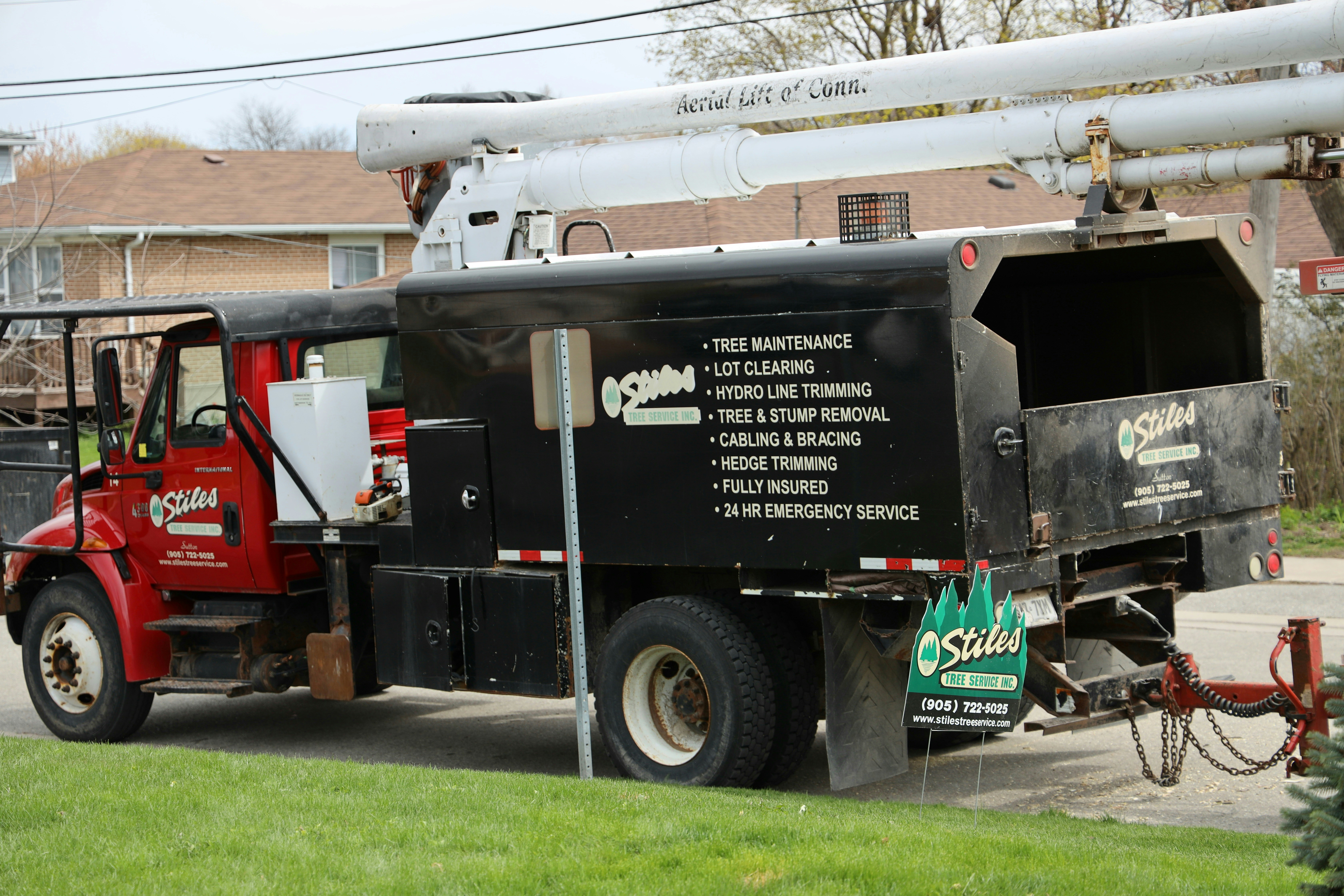
Tree cutting is sometimes necessary to protect people, property, and the health of nearby plants. A tree may be dead, severely damaged, unstable, or growing where it creates a serious hazard. Because removing a tree can involve heavy equipment, falling limbs, and unpredictable movement, the work should be approached carefully and with a clear plan.
When Tree Removal May Be Necessary
Warning signs can include large dead branches, deep trunk cracks, significant decay, exposed or damaged roots, and a tree leaning more than it did previously. Storm damage may also leave limbs hanging overhead or make the trunk unstable. However, these signs do not always mean a tree must be removed. An assessment by a qualified tree-care professional can help determine whether pruning, support, or another measure is appropriate.
Plan the Work Carefully
Before cutting, consider the tree’s height, direction of lean, condition, and proximity to buildings, roads, fences, and utility lines. Check local requirements as well; some communities regulate the removal of protected or street trees. The work area should be kept clear of people, pets, and vehicles, and an escape route should be planned for anyone involved.
Tree cutting near power lines is particularly dangerous. Never attempt to remove branches that touch or approach electrical wires. Contact the utility provider or an appropriately qualified professional instead.
Use Qualified Professionals
Large trees and those in confined spaces are generally unsuitable for do-it-yourself removal. Experienced arborists have the training, equipment, and procedures needed to manage complex cuts and reduce risks. Ask for proof of insurance, a written estimate, and a clear description of what the service includes, such as debris removal or stump work.
Consider the Impact
Whenever practical, preserve healthy trees through appropriate pruning or other care. If removal is necessary, discuss responsible disposal and whether replacement planting would benefit the property. A thoughtful decision balances safety with the tree’s environmental and practical value.
Careful evaluation and competent work make tree cutting safer and more responsible. When uncertainty or significant hazards are involved, professional advice is the most reliable next step.
RELATED POSTS
View all