Green View Gardening Maintenance & Pergola

Tree Cutting: Planning for Safety, Health, and Responsible Removal
October 17, 2026 | by Ibrahim khalil

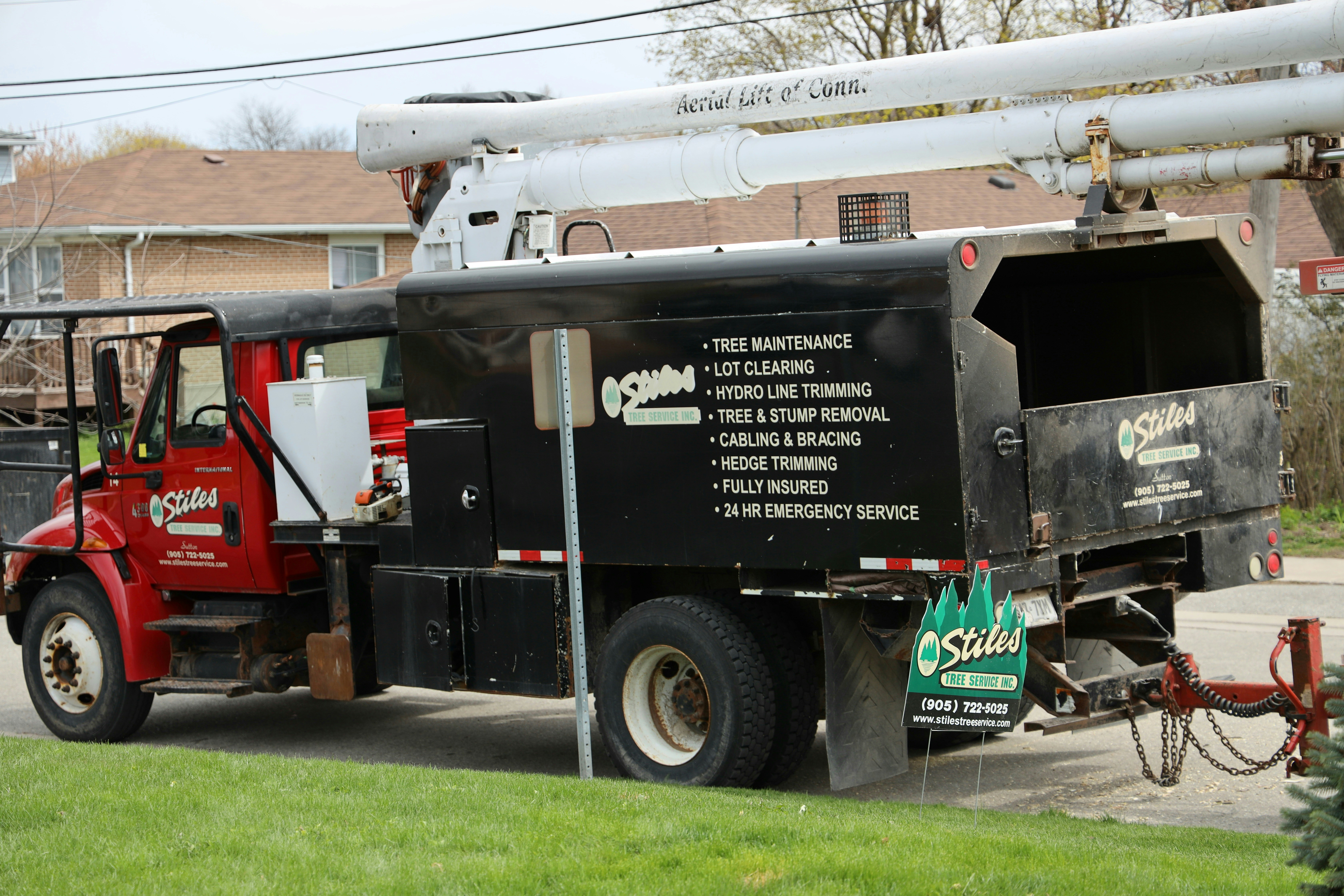
Tree cutting can be necessary when a tree is dead, severely damaged, diseased, or positioned where it poses a risk to people or property. It may also form part of planned land management. Because removing a tree involves significant hazards, decisions should be based on careful assessment rather than convenience alone.
Assess the Tree Before Work Begins
Start by considering the tree’s condition, location, and surroundings. Signs such as extensive decay, large dead branches, a leaning trunk, or damage to the root area may warrant an evaluation by a qualified arborist. However, visible symptoms do not always reveal the full extent of a problem. A professional can assess structural stability and advise whether pruning, treatment, or removal is the most appropriate option.
Check local requirements before arranging work. Some areas protect particular species or trees above a specified size, and permits may be required. If the tree is near a public space, property boundary, utility line, or shared access route, additional rules or coordination may apply.
Prioritize Safety and Professional Expertise
Cutting a tree is not a routine do-it-yourself task. Falling limbs, unstable trunks, chainsaws, and nearby electrical lines can create serious risks. Even a small tree may fall unpredictably if it is under tension or has hidden damage. For large, leaning, or difficult-to-access trees, hire an insured professional with suitable training and equipment.
Before work begins, confirm the work area will be controlled and that people, pets, vehicles, and outdoor equipment will be kept clear. Never attempt to cut branches that are touching or close to power lines; contact the utility provider instead. A written estimate should explain the planned work, debris removal, and any protection measures for nearby structures.
Consider What Happens After Removal
Discuss whether the stump will remain, be ground down, or be removed. Each option has different costs and effects on the surrounding area. Ask how branches and trunk sections will be handled, and whether usable wood can be retained.
When removal is necessary, responsible planning helps reduce avoidable damage and disruption. Replacing a tree with a suitable species, where practical, can also support shade, habitat, and long-term landscape health.
RELATED POSTS
View all